The Complete Guide to Backup Generators for Homes and Businesses
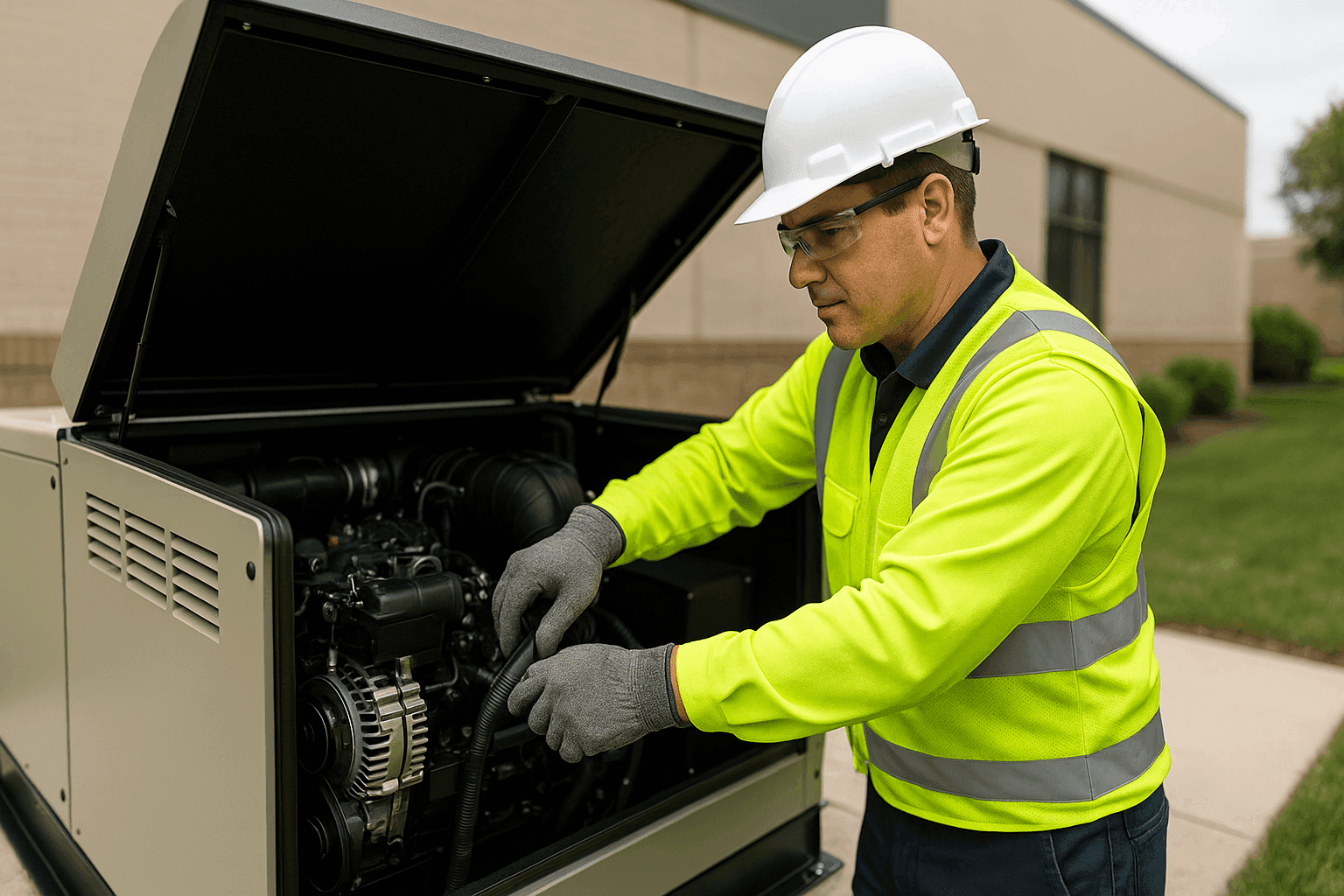
Have you ever sat in the dark during a storm, wishing your lights—and your life—could just keep running? Power outages don’t care if you’re running a busy café or just putting the kids to bed. They strike hard, fast, and without warning, leaving you scrambling for flashlights.
At Dash Electric, we know reliable backup power is more than a luxury. For many homes and businesses, it’s a lifeline. This guide will walk you through everything you need to know about backup generators—from picking the right one to making sure it’s ready when disaster hits.
Why You Need a Backup Generator ⚡
Power outages can feel like a sudden curtain drop on your daily routine. For residences, that means no fridge, no heat, spoiled groceries, and potentially dangerous stairwells. For businesses, the risks stack up: lost revenue, data loss, safety hazards, or even equipment damage.
A backup generator acts like an insurance policy for your peace of mind. It keeps the essentials running—lights, security systems, freezers, medical equipment, and more—no matter what happens outside. Whether it's a blizzard, a summer thunderstorm, or rolling blackouts, having a generator means you stay in control.
Risks of Power Outages:
- Interrupted business operations and costly downtime
- Spoiled food and medicine in fridges/freezers
- Loss of heating or air conditioning
- Security systems and cameras offline
- Sump pumps or medical devices failing
- Compromised safety in the dark
Benefits of Reliable Backup Power:
- Seamless transition during outages
- Keeps critical systems operational
- Supports storm and emergency readiness
- Protects against electrical surges when power returns
Types of Generators: Which One Fits?
All generators aren’t created equal. Think of them like shoes—what fits a bustling restaurant won’t suit a quiet home. The two main types are portable and standby generators.
Portable Generators
- Great for: Short-term outages, lower power needs, or temporary job sites.
- Pros: Cost-effective, easy to move, suitable for powering a handful of appliances.
- Cons: Manual startup, require regular refueling, must be used outdoors for safety.
- Best for: Homeowners needing temporary relief or small businesses with minimal backup needs.
Standby Generators
- Great for: Homes or businesses needing automatic, whole-building coverage.
- Pros: Automatic transfer switch—kicks on when power fails, runs on natural gas or propane, can power entire property.
- Cons: Higher upfront cost, permanent installation required.
- Best for: Critical businesses (medical offices, data centers), larger homes, anyone who can’t afford downtime.
Key Features to Consider
- Automatic vs. Manual Start: Standby generators turn on automatically. Portables require manual setup.
- Fuel Type: Gasoline, diesel, propane, or natural gas—each has pros and cons for storage and supply.
- Noise Level: Especially important for residential areas.
- Power Output: Measured in kilowatts (kW)—make sure it fits your needs.
Sizing and Selection: How Much Juice Do You Need?
Choosing the right size generator isn’t about guesswork. It’s about knowing your must-haves and matching them with a generator that can handle the load.
For Homes
- List Your Essentials: Fridge, lights, heat, sump pump, EV Chargers near you, and outlets.
- Add Up Wattage: Check appliance labels or manuals for wattage. Add starting and running watts.
- Factor in Surge: Some appliances (like AC units) need extra power to start up.
- Plan for Growth: If you’ll add more electronics or an EV charger, go a size up.
For Businesses
- Critical Loads: Servers, POS systems, security, refrigeration, emergency lighting.
- Operation Hours: Consider if you need backup for after-hours or 24/7.
- Compliance: Some industries have minimum requirements (check NFPA 110 and local codes).
Pro tip: An electrician from Dash Electric can perform a load analysis, ensuring your generator matches your real needs—no more, no less.
Installation Best Practices
Proper installation is non-negotiable. Generators are powerful—but only if they’re set up right.
What’s Involved
- Site Selection: Safe distance from windows, doors, and vents (usually 5–10 feet). Flat, flood-free area.
- Permits and Code Compliance: Local building codes, NEC, and manufacturer specs must be followed. Most regions require permits.
- Transfer Switch: Automatically (or manually) switches your home or business from grid to generator power.
- Fuel Supply: Standby units often tie into existing natural gas or propane lines. Portables need safe fuel storage.
- Professional Wiring: Never plug a generator directly into your electrical panel without a transfer switch—backfeeding is dangerous and illegal.
Why Professional Installation Matters
- Prevents fire, carbon monoxide, and shock hazards
- Ensures code compliance (NEC, NFPA, local ordinances)
- Protects your investment and insurance coverage
Authoritative reference: The National Electrical Code (NEC) and National Fire Protection Association (NFPA) set the standards for safe generator installation. Always follow their guidelines.
Ongoing Maintenance: Keep the Power Ready
A generator is like a car—it needs regular TLC to stay reliable. Ignore maintenance, and you risk failure when you need it most.
Maintenance Tips
- Run Regularly: Exercise your generator for 15–30 minutes monthly.
- Check Fluids: Oil, coolant, and fuel levels must be monitored.
- Inspect Air Filters and Plugs: Replace as needed.
- Test the Transfer Switch: Make sure it works smoothly.
- Professional Inspection: Schedule annual checkups with an electrician.
Signs Your Generator Needs Attention
- Hard starting or stalling
- Unusual noises or vibrations
- Leaks or corrosion
- Flashing warning lights
Safety Considerations: Protect People and Property 🛑
Generators pack a punch—so safety comes first. Shortcutting here isn’t an option.
Generator Safety Checklist
- Never run generators indoors or in garages—risk of deadly carbon monoxide.
- Keep dry: Protect from rain, snow, and flooding.
- Use heavy-duty, outdoor-rated cords for portable units.
- Install carbon monoxide detectors near living and sleeping areas.
- Store fuel safely, away from heat sources and children.
- Follow all manufacturer instructions and local codes.
Sizing Up: DIY vs. Professional Help
Installing a generator isn’t like swapping out a light bulb. There’s real risk—electrical shock, fires, or voided warranties.
When DIY Is Okay
- Using a portable generator outdoors with extension cords for a fridge or a lamp.
- Temporary power at a construction site (with proper safety steps).
When to Call a Pro
- Installing a standby generator
- Wiring a transfer switch
- Integrating with main electrical panels
- Fuel line connections
A licensed electrician from Dash Electric brings peace of mind—and code compliance—right to your door.
What Pros Do On Arrival
So what actually happens when you bring in a pro? Here’s what to expect:
- Site Inspection: Assess the safest, most efficient placement.
- Load Calculation: Confirm your real power needs.
- Permit Handling: Take care of paperwork and inspections.
- Professional Installation: Secure mounting, wiring, fuel lines, and transfer switch.
- Testing: Simulate an outage to ensure seamless operation.
- Education: Walk you through safe operation and maintenance basics.
Prevention & Maintenance: Staying Ready Year-Round
Don’t wait for the next outage to find out your generator won’t start. Preventive steps now mean less stress later.
- Schedule annual inspections—especially before storm season.
- Stock up on fuel and supplies. Rotate old gasoline out.
- Clear debris from around the unit for airflow.
- Update your maintenance log every time you run or service the generator.
Costs & Time Factors
Backup generators are an investment. Here’s what to expect:
- Portable generators: Lower upfront cost, but recurring fuel expenses and more manual work.
- Standby generators: Higher initial cost, professional installation required, but less hassle during outages.
Time to install: Portables can be ready in a day. Standby units may take a week or more, including permits and inspections.
Remember: Cutting corners on installation or maintenance can cost much more in the long run.
When It’s an Emergency
If you lose power and don’t have a generator—or if yours won’t start—prioritize safety:
- Unplug sensitive electronics to prevent surge damage when power returns.
- Keep fridge and freezer doors closed to preserve food.
- Use flashlights instead of candles to reduce fire risk.
- Never use a generator indoors or in attached garages.
If you need immediate help, Dash Electric offers 24 hour emergency service—trained electricians are ready when you need them most.
Frequently Asked Questions
How do I know what size generator I need?
Start by listing what you must keep running during an outage (fridge, lights, medical equipment, etc.). Add up the wattage—most appliances list this on the back or in their manuals. For whole-home or business coverage, a licensed electrician can run a load calculation for you.
Can I install a generator myself?
Small, portable generators can be set up by handy homeowners, as long as you follow safety guidelines. For standby systems, fuel connections, or anything involving your main panel, always call a qualified electrician.
How often should a generator be serviced?
At minimum, test your generator monthly and schedule a professional maintenance visit once a year. More frequent checks may be needed if you use it heavily or in harsh weather.
Will my generator start automatically during a power outage?
Standby generators with an automatic transfer switch will start within seconds of a power loss. Portable generators need to be started and connected manually.
Local and Seasonal Considerations
Storms, wildfires, heat waves—every region has its own threats. If you live in an area with frequent outages, heavy storms, or wildfire risks, a generator isn’t just smart—it’s essential.
Tip: Schedule installations and maintenance before storm season. Supply chain delays can happen during peak times.
Need Reliable Backup Power?
Don’t wait until the lights go out. Whether you need backup power for your home, your business, or your peace of mind, Dash Electric is here to help. Our licensed electricians handle installation, maintenance, and 24 hour emergency service—so you’re never left in the dark.
Call Dash Electric now — or reach us anytime at 888-854-4851 .