How to Troubleshoot Electrical Outlets and Switches Like a Pro
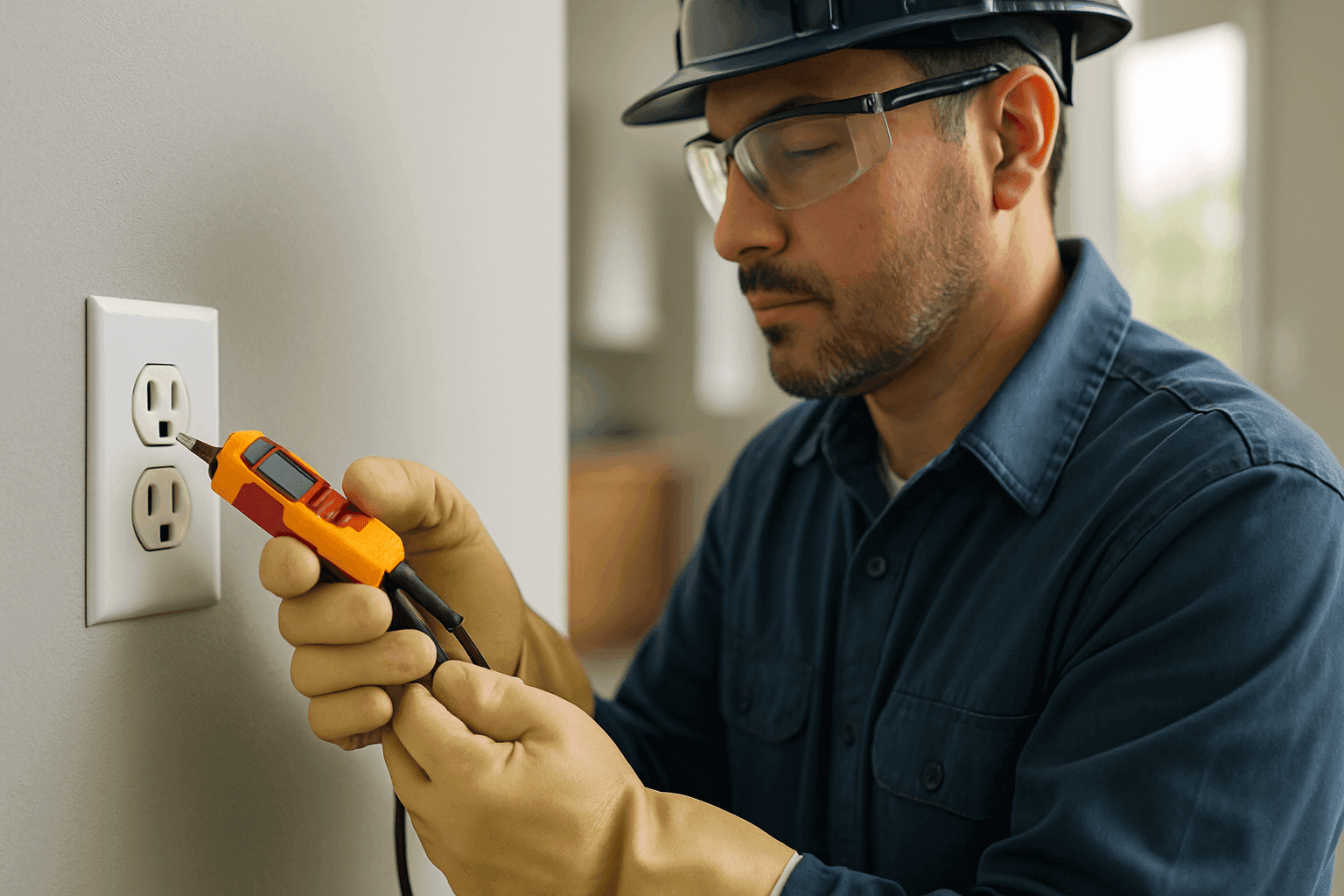
Ever press a light switch and nothing happens? Maybe the outlet by your bed suddenly stopped charging your phone. These moments always seem to hit when you’re in a rush. At Dash Electric, we know electrical hiccups can be frustrating—and sometimes, a little scary. Knowing what to do next can save you time, money, and worry.
Electrical problems in your home or business aren’t just inconvenient—they can spell trouble if ignored. That’s why a little knowledge about troubleshooting outlets and switches can keep your space safer and your day running smoother. Let’s break it down step by step.
Common Outlet & Switch Problems ⚡
Electrical issues often wave red flags before they become serious. Here’s what to watch for:
- Dead outlets: Plug in your lamp. Nothing. Not even a flicker.
- Buzzing or crackling: Outlets or switches making noise is never a good sign.
- Flickering lights: Light bulbs strobe or dim without reason.
- Warm or discolored outlets/switches: Heat or brown marks are warnings.
- Tripped breakers: Suddenly, power cuts out to part of your house.
- Loose plugs: Cords fall out easily, or the outlet wiggles in the wall.
These symptoms can point to a range of issues—from simple overloads to aging wiring, loose connections, or something deeper. According to the National Fire Protection Association (NFPA), electrical failures are a leading cause of home fires, so even minor problems deserve attention.
Safety Precautions Before You Begin 🛑
Electricity isn’t forgiving. Before you reach for a screwdriver, keep these essential safety rules front and center:
- Turn off the power. Always flip the correct breaker at your electrical panel. Test to make sure power is off before touching anything.
- Use insulated tools. Screwdrivers and pliers with rubber handles can protect you.
- Never work with wet hands or in damp areas.
- Avoid metal jewelry—rings and watches included.
- Have a partner nearby if possible, especially if you’re unsure.
- Check with a non-contact voltage tester before touching wires or terminals.
If you feel unsure at any point, stop. There’s no shame in calling a licensed electrician. Your safety comes first.
Step-by-Step Troubleshooting: Outlets & Switches
Ready to roll up your sleeves? Here’s a practical, non-technical workflow to help you safely isolate the problem:
1. Visual Checks
- Scan for signs of trouble. Are outlets/switches cracked, scorched, or loose?
- Smell for burning odors—these mean stop and call an electrician immediately.
2. Breaker and GFCI Reset
- Check your breaker panel. Look for tripped breakers and reset them by flipping all the way off, then on.
- Test GFCI outlets. Kitchens, bathrooms, and outdoor outlets often have these safety types. Press the “reset” button.
3. Test with a Simple Device
- Plug in a lamp or phone charger you know works.
- If it’s still dead, try another nearby outlet to confirm the device isn’t the problem.
4. Safe Removal of Cover Plates
- Turn off power at the panel. Double-check with a voltage tester.
- Unscrew the cover plate. Look for loose wires, corrosion, or broken parts.
- Gently wiggle wires. If any are loose, that’s likely your culprit.
Tip: Only tighten screws or re-seat wires if you’re confident and the power is off. Never touch bare wires with your fingers.
5. Reassemble and Retest
- Replace the cover plate and turn the breaker back on.
- Test the outlet or switch again.
If the problem remains, or you see melted insulation, blackened wires, or smell burning, stop. These are signs of a dangerous fault.
When to Call an Electrician
Not every fix is a Saturday morning DIY project. Here’s when to put down the tools and call in a professional:
- Repeated breaker trips or blown fuses
- Outlets or switches are hot to the touch
- Burn marks, sparks, or burning odors
- You see exposed wires or damaged insulation
- You’re unsure about any step in the process
A licensed electrician from Dash Electric brings the right tools, experience, and knowledge to handle the job safely—no guesswork, no risk.
What Pros Do On Arrival
Curious what happens when you call for help? Here’s a look behind the curtain:
- Systematic testing: Electricians use voltage meters and circuit testers to pinpoint the fault.
- Thorough visual inspections: We check for code compliance, hidden damage, and potential hazards.
- Safe repairs: From tightening connections to replacing damaged parts or rewiring circuits.
- Documentation: Professional electricians provide certificates and inspection reports as needed.
We also check related areas—panels, breakers, and nearby circuits—to ensure the problem isn’t just the tip of the iceberg.
Prevention & Maintenance
A stitch in time saves nine. To keep your electrical system humming:
- Schedule regular electrical safety inspections—especially in older homes or commercial spaces.
- Don’t overload outlets with power strips or high-wattage appliances.
- Upgrade outdated wiring (aluminum or knob-and-tube is especially risky).
- Test GFCI and AFCI devices monthly.
- Install surge protection—helpful for sensitive electronics and EV Chargers near you.
- Replace worn or damaged outlets/switches right away.
The Electrical Safety Foundation International (ESFI) recommends annual checks for peace of mind.
Costs & Time Factors
Worried about what troubleshooting will cost? Here’s what to expect:
- DIY fixes: Swapping out a faceplate or resetting a breaker is quick and inexpensive.
- Professional diagnosis: Most issues can be identified within an hour.
- Repairs: Costs depend on complexity. Replacing an outlet or switch is straightforward. If rewiring or panel upgrades are needed, it takes longer and costs more.
Remember: quick fixes rarely solve deeper issues. Investing in professional work now can prevent costly damage or hazards later.
When It’s an Emergency
Some situations can’t wait:
- Sparks or flames from outlets or switches
- Total power loss in critical areas (medical devices, refrigeration, business operations)
- Flooded outlets or wiring after storms
- Smoke or acrid odors from panels, outlets, or appliances
If you see, smell, or feel any of these, evacuate if necessary and call an electrician immediately. Your safety is always the top priority.
FAQ
How do I know if an outlet is bad or just needs resetting?
If resetting the breaker and GFCI doesn’t restore power, and the outlet remains dead with multiple devices, it’s likely faulty. If in doubt, call an electrician.
Is it safe to replace a switch or outlet myself?
Basic replacements can be safe if you turn off the power and use the right tools. However, if anything looks burned, melted, or you feel unsure, leave it to a professional.
What causes outlets to spark?
Sparking is often caused by loose connections, worn contacts, or overloaded circuits. Frequent sparking is dangerous—stop using the outlet and call an electrician.
Can I use extension cords as a permanent fix?
No. Extension cords are for temporary power only. Permanent use is a fire hazard and violates electrical codes.
Local & Seasonal Considerations
- Older homes (built before the 1980s) often have outdated wiring that needs closer attention.
- Storm season brings higher risks of power surges and water damage—test GFCI outlets and surge protectors regularly.
- Pool and spa owners: Moisture and electricity never mix. Schedule pre-season checks for outdoor wiring and pool equipment.
For commercial spaces, regular inspections are especially important if you have heavy machinery, high-voltage wiring, or sensitive data systems.
Electrical problems can be intimidating, but you’re not alone. For fast, safe troubleshooting—or any electrical service from EV Chargers to lighting and rewiring—Dash Electric is here for you.
Call Dash Electric now — or reach us anytime at 888-854-4851 .