How Much Does It Cost to Rewire a House? Key Factors Explained
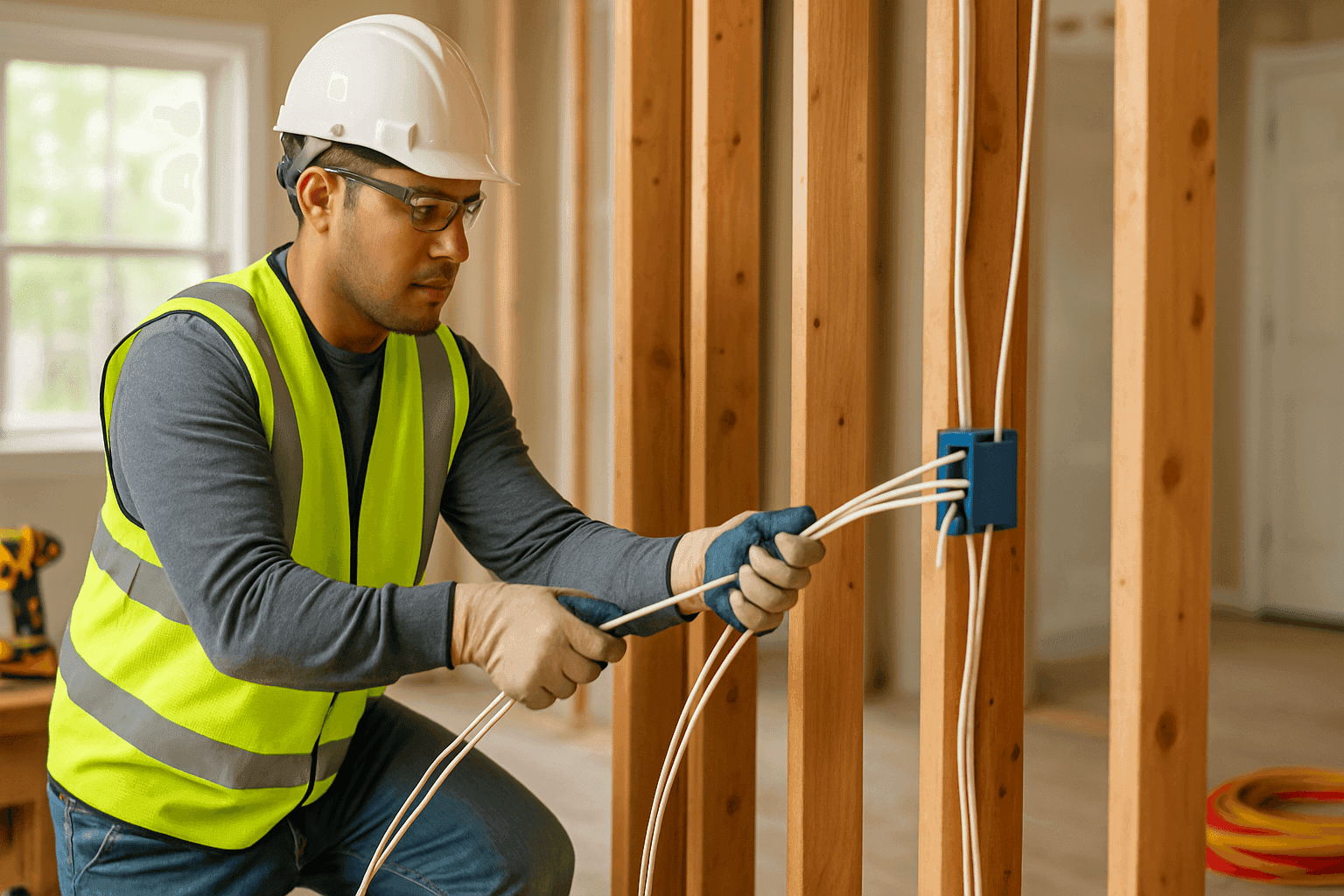
Upgrading the wiring in your home isn’t just about staying current. It’s about safety, peace of mind, and protecting your investment. At Dash Electric, we know that rewiring seems daunting—both for your schedule and your wallet. But understanding what goes into the process can take a lot of the guesswork out and help you make decisions that keep your family, tenants, or business safe.
So, how much does it cost to rewire a house? The answer depends on many moving parts. Let’s break it down so you know what to expect—no surprises, just real talk from your local electrician.
Why Rewiring is Important ⚡
Wiring is the nervous system of your home or business. If it’s outdated or faulty, it can put everything at risk.
- Old Wiring: Homes built before the 1970s may have aluminum or knob-and-tube wiring. These systems weren’t made for today’s power-hungry appliances, and they age like bread, not wine.
- Safety Hazards: Frayed wires spark like a campfire, hidden in your walls. According to the National Fire Protection Association, electrical faults are one of the leading causes of house fires in North America.
- Insurance Requirements: Many insurers won’t cover homes with outdated wiring. Some even demand upgrades before renewing a policy.
- Code Compliance: Modern building codes (like those from the National Electrical Code) are designed to keep people safe. If your wiring is out of date, you may not just be risking safety—you could be on the wrong side of the law.
- Home Value: Outdated wiring can scare off buyers or slow down a sale.
Risk Factors to Watch For:
- Warm or discolored outlets
- Flickering lights
- Frequent breaker trips
- Two-prong (non-grounded) outlets
- A persistent burning smell
If you spot any of these, don’t wait. Get an inspection.
Main Cost Drivers
When it comes to rewiring, no two homes or businesses are the same. Think of it like renovating a kitchen—size, access, materials, and taste all play a role.
Here’s what drives the price:
- Square Footage: Bigger spaces mean more wire, more outlets, and more labor.
- Accessibility: Single-story homes or open basements are easier (read: cheaper) to work on than multi-story homes with finished walls.
- Material Choices: Copper wire is the gold standard, but it costs more than aluminum. Quality outlets, breakers, and panels also impact the total.
- Panel Upgrades: New wiring may require a new electrical panel to handle the load—especially if you’re adding EV chargers near you, bigger appliances, or home automation.
- Permits & Inspections: Local regulations require permits and city inspections. These fees add up, but they’re not optional.
- Labor: Experienced electricians charge for their skill, but skimping here is like building a house on sand.
Typical Price Ranges
Let’s talk real numbers. While every project is unique, most homeowners can expect:
- Smaller homes (1,000–1,500 sq. ft.): $7,500–$12,000
- Medium homes (1,500–2,500 sq. ft.): $12,000–$20,000
- Larger homes (2,500+ sq. ft.): $20,000 and up
For commercial properties, add complexity and scale. More circuits, safety systems, and code requirements mean higher costs.
Pro tip: These prices include labor, materials, permits, and inspections—but not extras like drywall repair, paint touch-ups, or high-end smart home upgrades.
Quality and safety should never be sacrificed for savings. Cheap shortcuts with wiring are like patching a leaky roof with duct tape.
Rewiring Process Step-by-Step
Curious what the process looks like? Here’s what to expect when you call Dash Electric:
- Initial Inspection & Quote
A licensed electrician walks through your space. We check your panels, wiring type, outlets, and possible hazards. You get a clear, detailed estimate. - Planning & Permits
We draw up a wiring plan—mapping every outlet, switch, and light. Necessary permits are pulled to stay code-compliant. - Preparation
Furniture gets moved. Drop cloths go down. Sometimes, holes are cut in drywall to access wires. We respect your space. - Old Wiring Removal
Out with the old. Unsafe wiring is carefully removed, section by section. - New Wiring Installation
Fresh copper wires are run through walls, ceilings, and floors. Outlets, switches, and breaker boxes are upgraded or replaced. - Testing & Safety Checks
Every circuit is tested. GFCI, AFCI, and other safety devices are installed as needed. - Final Inspection
City or county inspectors verify the work meets code. Nothing gets missed. - Clean-Up & Restoration
We patch holes, clean up, and walk you through your new system.
You’ll never be left wondering what’s next.
Saving Money Safely 💡
Rewiring is a big investment, but there are ways to keep costs in check:
- Bundle Projects: If you’re renovating, combine electrical work with other upgrades to save on wall repairs and labor.
- Open Access: Clear out furniture and storage. The easier it is for electricians to work, the faster the job goes.
- Choose Upgrades Wisely: Prioritize safety essentials—like grounded outlets, GFCIs, and surge protection—before splurging on extras.
- Ask About Materials: Sometimes, small changes in fixture or outlet choice can have a big impact on price.
Never cut corners with safety. DIY electrical work is dangerous and often illegal. Always hire a qualified electrician.
Frequently Asked Questions
How long does it take to rewire a house?
Most residential rewires take between 5 and 10 days, depending on size and complexity. Larger or older homes may take longer, especially if walls have to be opened up.
Will my power be off while work happens?
Yes, but not for the whole project. We work in stages, so you’ll usually have power in parts of your house throughout. We’ll keep you updated every step of the way.
Do I need to leave my home during rewiring?
Not always. Many clients stay at home, though there will be dust, noise, and some disruption. For commercial spaces, we can often schedule work after hours or in phases to keep your business running.
What codes does Dash Electric follow?
Our team follows the latest National Electrical Code (NEC) standards, as well as any local amendments and safety guidelines. We pull permits and arrange inspections as required.
Local and Seasonal Considerations 🌦️
Weather can play a role. For example, extreme cold or heat can slow down work, especially if access panels or crawl spaces are involved. Busy seasons (like summer renovation time) can affect scheduling. The best time to rewire is when you’re already planning renovations or remodeling.
For older homes, local historical requirements may limit how much we can open up walls or ceilings. We’ll work with you—and your city inspector—to find the best solution.
Ready to make your home or business safer, smarter, and ready for the future?
Call Dash Electric now — or reach us anytime at 888-854-4851 .