How to Safely Upgrade Your Home Electrical Panel
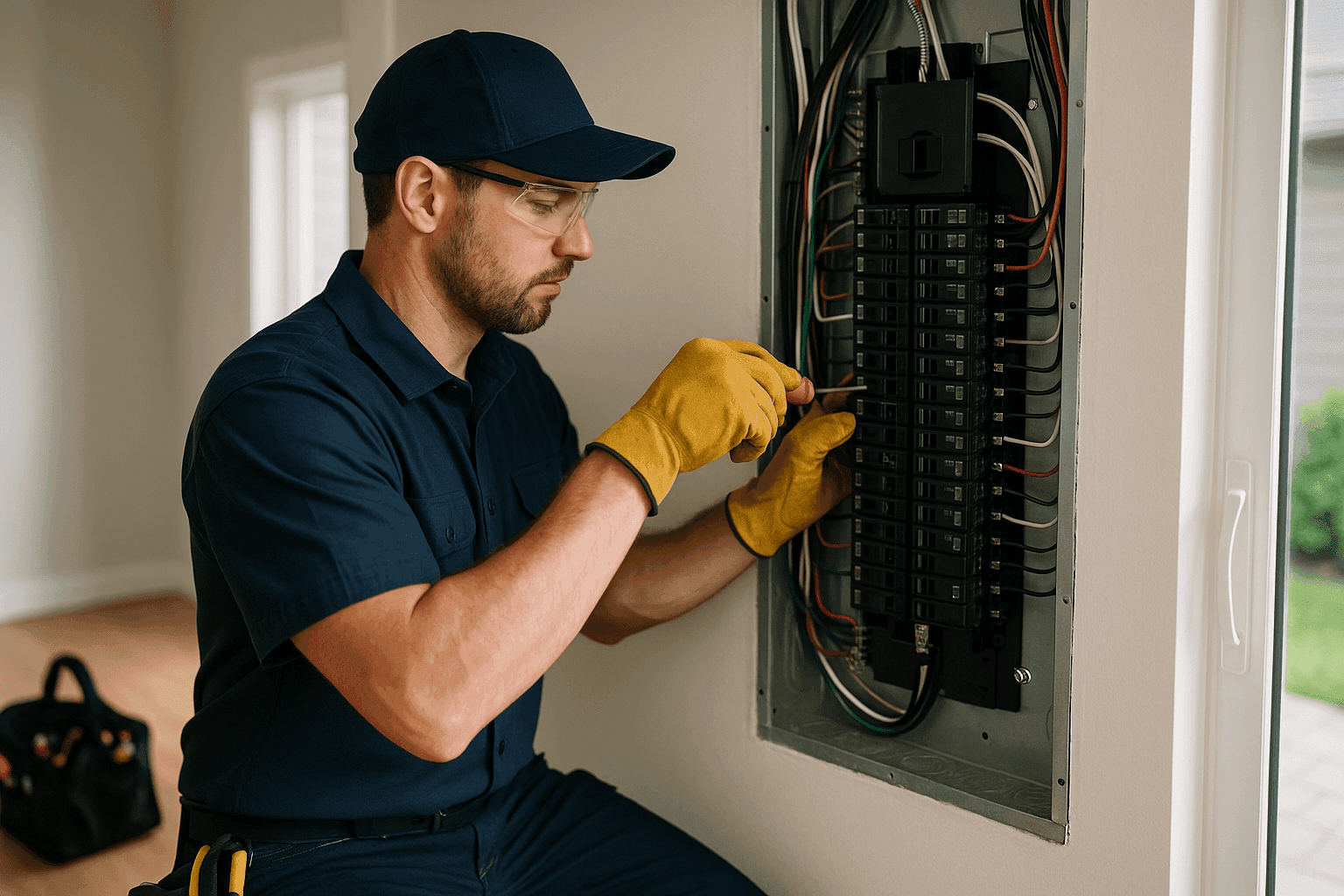
Is your home’s electrical panel older than your favorite pair of sneakers? If your lights flicker or breakers trip every time you run the microwave, it’s time to pay attention. At Dash Electric, we know a safe, up-to-date electrical panel is the heart of a reliable home.
Electrical issues don’t wait for a convenient moment. That’s why understanding when—and how—to upgrade your panel is more important than ever. Whether you’re adding new appliances, planning for home automation, or just want peace of mind, this guide is for you.
Why Upgrade Your Electrical Panel? ⚡
Think of your electrical panel as the traffic cop for all the electricity in your home. It directs power where it’s needed and keeps things running smoothly. But just like a worn-out stoplight, an outdated panel can cause confusion—and even danger.
Upgrading your panel can:
- Reduce the risk of electrical fires (according to the National Fire Protection Association, outdated panels are a leading cause of residential electrical fires).
- Support modern appliances and home automation systems.
- Prevent nuisance breaker trips and power outages.
- Ensure your home meets current safety codes, as outlined by the National Electrical Code (NEC).
An upgrade isn’t just about convenience. It’s about safety for your loved ones and protecting your investment.
Signs You Need an Upgrade
Not sure if your panel is due for a refresh? Look for these telltale clues:
- Frequent breaker trips: If you’re resetting breakers more than making coffee, something’s wrong.
- Flickering or dimming lights: Especially when using appliances like vacuums or microwaves.
- Outdated fuse box: Still using fuses instead of breakers? That’s a red flag.
- Adding new appliances: Hot tubs, EV chargers, or home automation systems need more power.
- Burning smell or scorch marks: Any sign of heat or burning near your panel is a serious warning.
- Panel is warm to the touch: Panels should never feel hot.
- Buzzing or crackling sounds: Electricity should be silent. Any noise means trouble.
- Home renovations: Remodeling often means increased power needs.
If any of these sound familiar, don’t wait. Electrical issues often start small and escalate quickly.
Step-by-Step Upgrade Process
Upgrading your electrical panel is a bit like performing heart surgery on your home. It’s not a DIY project, but knowing the steps can help you feel confident and informed.
1. Assessment and Planning
A licensed electrician starts with a thorough inspection. They’ll check your current panel, wiring, and overall power needs. This includes looking at what appliances you use, any planned upgrades, and future-proofing for things like electric vehicles or smart home devices.
2. Choosing the Right Panel
Panels come in different sizes, measured in amps (amperes). Most modern homes need at least a 200-amp panel, but your needs may vary. The electrician will recommend a panel that fits your current and future lifestyle.
3. Scheduling the Upgrade
You’ll need to pick a time when power can be shut off safely. This usually takes several hours, so plan ahead—think about your fridge, Wi-Fi, and any medical devices.
4. Removing the Old Panel
The electrician disconnects power from the utility company, removes the old panel, and checks for any damaged or outdated wiring. Safety first—always!
5. Installing the New Panel
The new panel is installed and carefully wired. Circuits are labeled clearly, and any necessary upgrades to wiring or breakers are made.
6. Inspection and Power Restoration
After installation, the work must be inspected by a certified authority (following NEC and local codes). Only then is power restored to your home.
7. Final Walkthrough
Your electrician will show you the new panel, explain any changes, and answer your questions.
Safety Tips and Code Compliance
Electricity isn’t forgiving. One wrong move can cause shocks, fires, or worse. That’s why safety and code compliance are non-negotiable.
- Always use a licensed electrician. Unlicensed work can void insurance and lead to dangerous mistakes.
- Follow the National Electrical Code (NEC). This is the gold standard for safety in the U.S.
- Get the right permits. Inspections protect you and ensure the job is done right.
- Don’t overload circuits. Each breaker is designed for a certain load—respect it.
- Keep the panel accessible. Don’t block it with furniture or boxes.
If you’re ever unsure, play it safe and call an emergency electrician.
Quick Safety Checklist
- Panel is cool to the touch
- No visible rust or corrosion
- Breakers are clearly labeled
- No buzzing, crackling, or burning smells
- Cover is securely closed
- No exposed wires
- Smoke and carbon monoxide detectors are installed nearby
If you spot any issues, don’t wait—address them immediately.
Cost and Timing Considerations
Upgrading an electrical panel is an investment in your home’s safety and future. Here’s what to keep in mind:
- Panel type and size: Larger panels (like 200-amp) cost more than smaller ones.
- Wiring upgrades: Old or unsafe wiring may need replacement.
- Permits and inspections: These add to the timeline but are essential for safety.
- Labor costs: Complex installations or hard-to-reach panels may take longer.
- Seasonal timing: Upgrades before winter storms or holiday seasons can help avoid overloads and outages.
Most panel upgrades take a full day, but more complex jobs can stretch longer. Costs vary depending on your home’s needs, but remember: cutting corners on electrical safety never pays off.
Seasonal Considerations
Timing matters. Upgrading before the holidays, when you’re likely to plug in extra lights or appliances, can prevent headaches. Before storm season, a new panel helps handle the load from backup generators or sump pumps. If you’re adding a pool or EV charger in the spring, plan ahead so your electrical system can keep up.
When It’s an Emergency
Some electrical problems can’t wait. Here’s when you need an emergency electrician—fast:
- Burning smell or smoke from the panel
- Breakers won’t reset and you’re left without power
- Signs of melted wires or scorch marks
- Panel is hot to the touch
- Water damage near the panel
Don’t try to fix these issues yourself. Turn off the main power if it’s safe and call a licensed emergency electrician right away. Dash Electric is available 24/7 for urgent help.
FAQ
How often should I upgrade my electrical panel?
Most panels last 25–40 years, but heavy use, renovations, or new appliances can shorten that timeline. If your panel is older than 25 years or showing warning signs, get it checked.
Can I upgrade my panel myself?
Electrical panel upgrades are not safe DIY projects. The risk of shock, fire, and code violations is high. Always hire a licensed electrician.
What’s the difference between a fuse box and a breaker panel?
Fuse boxes use fuses that melt and break the circuit when overloaded. Breaker panels use switches that trip off. Breakers are safer, easier to reset, and meet modern safety codes.
Will my power be off during the upgrade?
Yes, expect a full power shutdown for several hours. Plan ahead for food, internet, and other essentials.
Special Considerations for This Service
- Home automation and smart devices: If you’re adding smart thermostats, lighting, or security systems, let your electrician know. These can increase your power needs.
- EV chargers and appliances: New technology like electric vehicle chargers or high-powered kitchen appliances may require additional circuits or even a larger panel.
- Pools, spas, and outdoor living: These features draw significant power. Upgrading your panel ensures you can enjoy them safely.
- Safety certifications: Ask your electrician about certifications like OSHA or NFPA training.
- Backup generators: If you want to add a generator, plan for a transfer switch and proper panel integration.
Ready to make your home safer and more reliable? Call Dash Electric now — or reach us anytime at 888-854-4851 .