How to Prepare Your Home Electrical System for Winter Storms
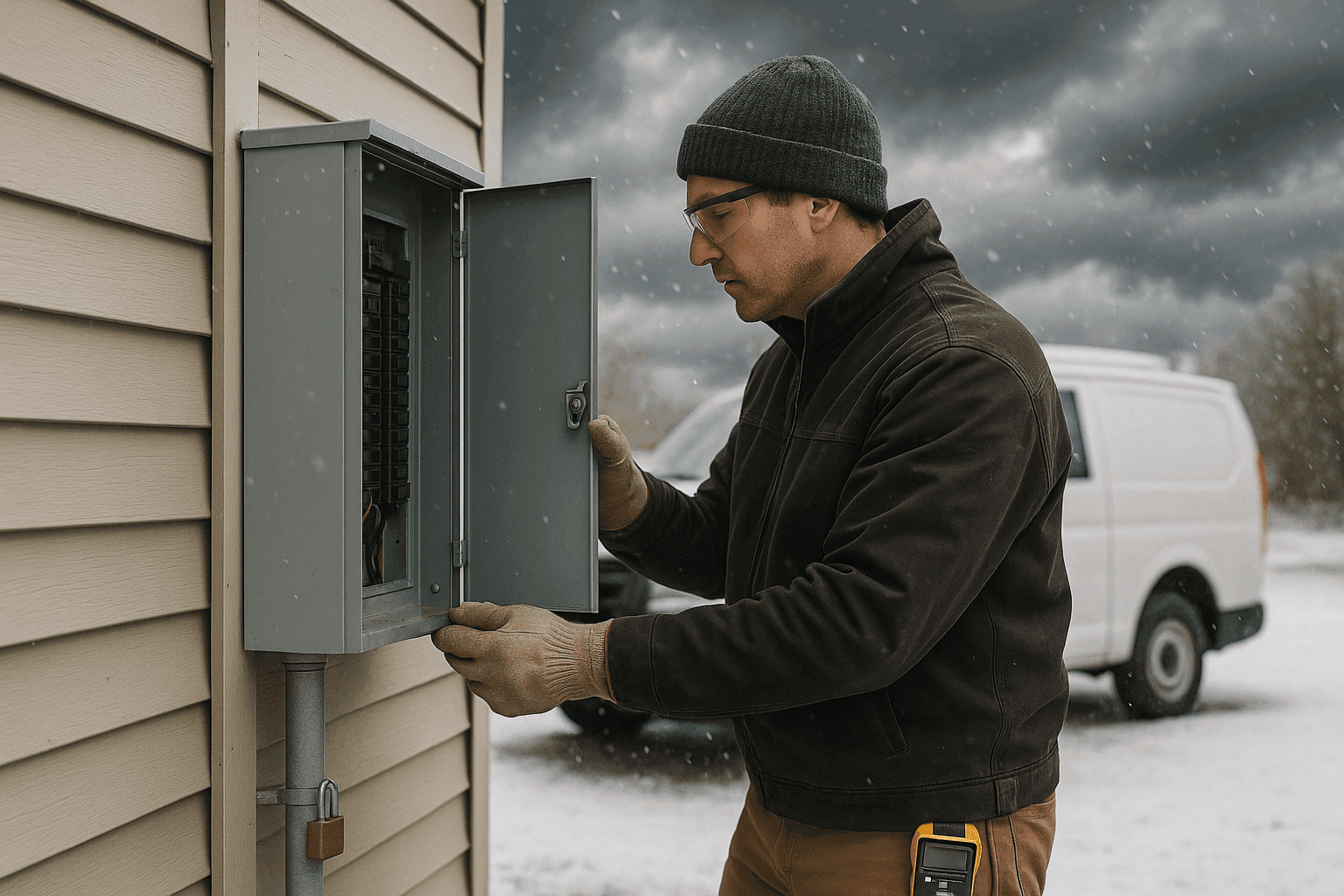
Winter storms can turn a cozy evening into a scramble for flashlights. Power flickers. Outlets go silent. The hum of daily life pauses, and suddenly, your home’s electrical system is in the spotlight.
At Dash Electric, we know how quickly a winter storm can expose weak spots in your wiring, panels, and safety devices. The right prep now means fewer headaches—and safer nights—when the snow starts falling.
Understanding Winter Electrical Risks ⚡
Winter storms are more than just cold winds and icy roads. They bring a unique set of electrical dangers:
- Power Outages: Heavy snow or ice can knock down power lines, causing blackouts.
- Electrical Surges: When power returns, surges can fry sensitive electronics and even start fires.
- Frozen Wiring: Extreme cold can make old wires brittle, increasing the risk of shorts or failures.
- Generator Hazards: Improper use of backup power can lead to carbon monoxide poisoning or fires.
Think of your electrical system like the backbone of your house. If it’s weak, the whole structure is at risk when storms hit.
Quick Safety Checklist Before Winter
A little attention now can save you from big trouble later. Here’s a simple checklist to help you get started:
- Inspect Outlets and Switches: Look for any that are warm, discolored, or loose.
- Test Smoke and Carbon Monoxide Detectors: Replace batteries and check expiration dates.
- Check Your Electrical Panel: Make sure breakers aren’t tripping and labels are clear.
- Review Surge Protection: Confirm surge protectors are working, especially for major appliances.
- Backup Generator Ready: Ensure it’s fueled, tested, and safely installed outdoors.
- Extension Cords: Use only heavy-duty, outdoor-rated cords for heaters or holiday lights.
- Clear Vents and Panels: Remove snow, ice, and debris from outdoor electrical equipment.
If you spot anything odd—sparks, buzzing, or smells—don’t ignore it. These are warning signs, not winter “quirks.”
DIY or Call a Pro?
Some tasks are safe for a handy homeowner. Others, not so much.
Safe to DIY:
- Replacing detector batteries
- Plugging in surge protectors
- Checking for visible damage
Call an Emergency Electrician for:
- Flickering or dimming lights
- Breakers that won’t reset
- Burning smells or buzzing sounds
- Water leaks near outlets or panels
- Installing or servicing backup generators
Electricity isn’t forgiving. When in doubt, let certified electricians handle the risky stuff. The National Electrical Code (NEC) and Electrical Safety Foundation International (ESFI) both recommend professional inspections before winter.
What Pros Do On Arrival
When Dash Electric shows up, we don’t just flip a switch and call it a day. Here’s what a typical winter-prep visit includes:
- Full System Inspection: We check wiring, panels, outlets, and circuits for signs of wear or damage.
- Test Breakers and GFCIs: Ensuring all safety devices trip as they should.
- Evaluate Surge Protection: Making sure your home’s defenses are up to the task.
- Review Generator Setup: Confirming safe placement, ventilation, and proper transfer switches.
- Look for Hidden Hazards: Moisture, corrosion, or pests can hide in attics and crawlspaces.
- Update Safety Devices: Replacing outdated smoke and CO detectors if needed.
Our team follows industry best practices and all applicable safety standards. We treat your home like our own.
Prevention & Maintenance Tips
Think of electrical maintenance like putting on a winter coat—layered, thorough, and smart.
- Annual Safety Checks: Schedule a professional inspection every year before winter.
- Upgrade Old Wiring: If your home is older, consider rewiring or adding new circuits for heavy-use areas.
- Install Whole-Home Surge Protection: Protect everything, not just your TV.
- Test Backup Generators Monthly: Run them under load, not just idle.
- Keep Electrical Panels Accessible: Don’t let storage or snow block access in an emergency.
- Label Critical Circuits: Know which breakers control heat, lights, and medical equipment.
Prevention keeps you from scrambling when the weather turns rough.
Costs & Time Factors
Electrical prep for winter isn’t one-size-fits-all. Here’s what to expect:
- Inspections: Usually take 1–2 hours, depending on home size and age.
- Repairs: Minor fixes (like outlet replacements) are quick; major rewiring takes longer.
- Upgrades: Installing surge protection or a generator transfer switch may require a half-day.
- Cost Range: Prices vary by work needed, but safety is always worth the investment.
Remember, waiting until a storm hits can make repairs slower and more expensive. Emergency calls often mean higher rates, especially after hours.
When It’s an Emergency
Sometimes, winter doesn’t wait. Know the signs of a true emergency:
- Sparks or Arcing: If you see or hear this, shut off power at the main panel and call immediately.
- Burning Smell: This could mean melting wires—don’t ignore it.
- Flooded Panels or Outlets: Water and electricity are a dangerous mix.
- Complete Power Loss: Especially if your neighbors have power, call an emergency electrician.
Never try to fix live electrical problems yourself. Safety comes first—always.
FAQ: Winter Electrical Prep
Q: Do I need a generator for every winter storm?
A: Not always. But if you rely on electricity for heat, medical devices, or work, a backup generator is smart insurance.
Q: How often should I test my smoke and carbon monoxide detectors?
A: Test monthly, and replace batteries at least once a year. Replace the whole unit every 7–10 years.
Q: Can I plug space heaters into any outlet?
A: Only use outlets that aren’t overloaded. Never use extension cords for high-wattage heaters—this can cause fires.
Q: Are surge protectors really necessary?
A: Yes. Surges can happen when power returns after an outage, damaging appliances and electronics.
Special Considerations for Winter Electrical Service
Winter brings extra challenges:
- Ice and Snow: Make sure outdoor outlets and panels are weatherproof and clear of snow.
- Holiday Lights: Use lights rated for outdoor use, and never daisy-chain too many together.
- Pools and Spas: Winterize pool and spa electrical systems to prevent freeze damage.
- EV Chargers: Ensure chargers are protected from moisture and on dedicated circuits.
Always follow guidelines from the National Fire Protection Association (NFPA) and the manufacturer’s instructions for all equipment.
When winter storms threaten, preparation is your best defense. Dash Electric is ready 24/7 to keep your home safe, warm, and powered up.
Call Dash Electric now — or reach us anytime at 888-854-4851 .